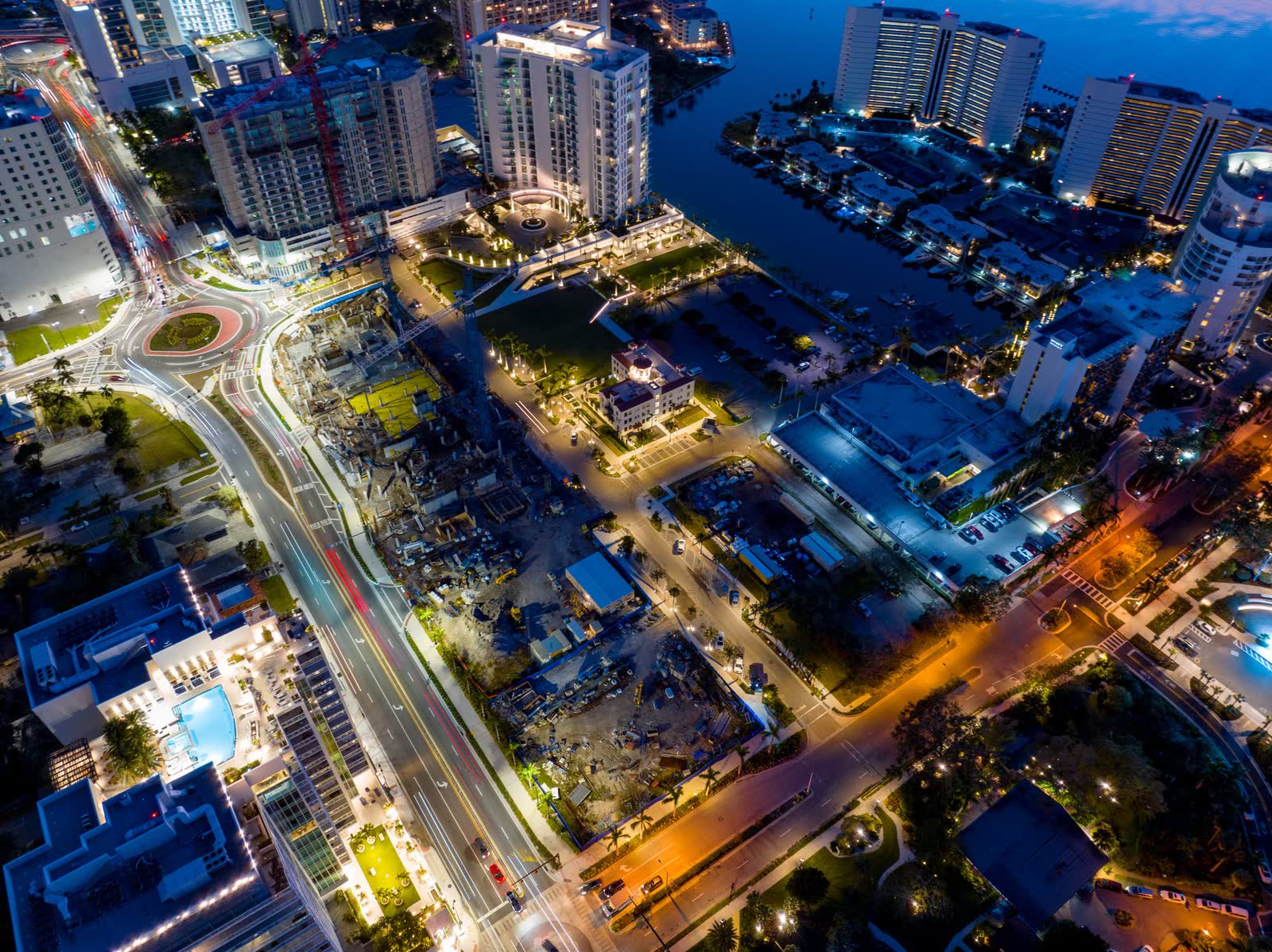
Varicose Veins in Sarasota–Bradenton
← All Guides
The complete 2026 guide to

Varicose Veins in Sarasota

Overview

What are varicose veins?

Varicose veins are enlarged, twisted veins that bulge near the skin's surface, usually in the legs.

They develop when the one-way valves inside leg veins weaken and allow blood to pool, raising pressure in the vessel. Beyond appearance, varicose veins can cause aching, heaviness, swelling, and itching, and in some cases progress to skin changes or ulcers. Sarasota-area vascular surgeons and vein centers typically start with a duplex ultrasound to map the problem before recommending treatment.

Compare options

Your options.

Compression Therapy

Graduated compression stockings improve blood return and ease symptoms; often the first step and sometimes required by insurance before procedures.

Conservative, non-invasive starting point $30-$100 per pair
Endovenous Radiofrequency / Laser Ablation

A catheter delivers heat to seal the faulty vein closed; blood reroutes to healthy veins. Performed in-office with local anesthesia.

Often covered when medically necessary $2,000-$3,500 per leg
VenaSeal (Medical Adhesive Closure)

A medical-grade adhesive closes the diseased vein without heat or tumescent anesthesia, allowing minimal downtime.

No compression stockings required after for some patients $2,500-$4,000 per leg
Ambulatory Phlebectomy

Bulging surface veins are removed through tiny needle-punctures under local anesthesia, often paired with ablation.

For larger surface varicosities $1,500-$3,000 per session
Real Sarasota pricing

What varicose veins costs.

Technique
Typical range
Downtime
Initial consult & duplex ultrasound
$0-$350
Many vein centers offer a free screening; full diagnostic ultrasound may be billed to insurance
Endovenous ablation (per leg)
$2,000-$3,500
Out-of-pocket varies widely; frequently covered when symptomatic and documented
VenaSeal closure (per leg)
$2,500-$4,000
May cost more than thermal ablation; coverage depends on plan
Ambulatory phlebectomy
$1,500-$3,000
Often combined with ablation in a treatment plan

Featured

Top varicose veins surgeons.

Browse all vascular surgery surgeons →
How to choose

Board certification, explained.

A Florida medical license lets a physician practice, but board certification is the signal that a doctor completed accredited residency training and passed rigorous exams in their specialty. Look for certification by the American Board of Medical Specialties (ABMS) member board that matches the care you need — and verify it yourself.

ABMS member-board certification
The ABMS oversees 24 specialty boards (internal medicine, surgery, radiology, OB-GYN, and more). Certification in the relevant specialty — confirmed at certificationmatters.org — is the core credential to look for.
Board certified vs. board eligible
“Board eligible” means residency is complete but the certifying exam is not yet passed; “board certified” is the finished credential. Most boards also require ongoing Maintenance of Certification.
Fellowship & subspecialty training
Additional 1–3 year fellowships add focused expertise (e.g., interventional cardiology, surgical oncology, electrophysiology). Match the subspecialty to your specific condition.
Questions to ask your surgeon
  1. Are you board certified by the ABMS board for this specialty?
  2. How often do you treat my specific condition or perform this procedure?
  3. What does the full course of treatment involve, and what are the alternatives?
  4. Will this be covered by my insurance, and what should I expect to owe?
Your questions

Varicose Veins FAQs.

Are varicose vein treatments covered by insurance?+

When varicose veins cause symptoms such as pain, swelling, or skin changes and are documented with ultrasound, treatment is often covered as medically necessary. Purely cosmetic treatment is typically not covered. Confirm specifics with the practice and your plan.

Is varicose vein treatment painful?+

Modern in-office procedures use local anesthesia and most patients report only mild discomfort. Some pressure or pulling can be felt during the procedure, and mild soreness or bruising afterward is common.

How long is recovery?+

Most minimally invasive procedures allow a return to normal activity the same or next day. Strenuous exercise and long flights may be limited briefly, and compression stockings may be recommended for a period afterward.

Will the veins come back after treatment?+

A treated vein is permanently closed, but new varicose veins can develop over time, especially with genetics, pregnancy, or prolonged standing. Periodic follow-up helps catch new problem veins early.

Do I need a vascular surgeon or is a vein center enough?+

Many varicose vein cases are handled well at dedicated vein centers. More complex venous disease, ulcers, or co-existing arterial problems may be better suited to a board-certified vascular surgeon. This is our general opinion, not medical advice.

How long does treatment take?+

In-office ablation or VenaSeal typically takes about 30 to 60 minutes per leg. Multiple sessions may be needed if both legs or several vein segments are involved.

References & sources

Procedure facts on this page draw on authoritative medical sources. Confirm specifics in a consultation.

Society for Vascular Surgery (SVS) ↗American Venous Forum ↗
Boards & certification

Choose a board-certified surgeon — and verify it yourself:

ABMS — Certification Matters ↗ Look up any U.S. physician’s board certification across all 24 ABMS member specialty boards. Florida DOH — License Verification ↗ Confirm an active Florida license and review any disciplinary history. NPI Registry (CMS) ↗ Verify a provider’s national identifier and registered specialty taxonomy. Medicare Care Compare ↗ Compare clinicians, hospitals and facilities on quality measures.

★★★★★

Ready to find your surgeon?

Compare Sarasota–Bradenton's top-rated vascular surgery surgeons — vetted, reviewed, and ranked.

See the Top Surgeons